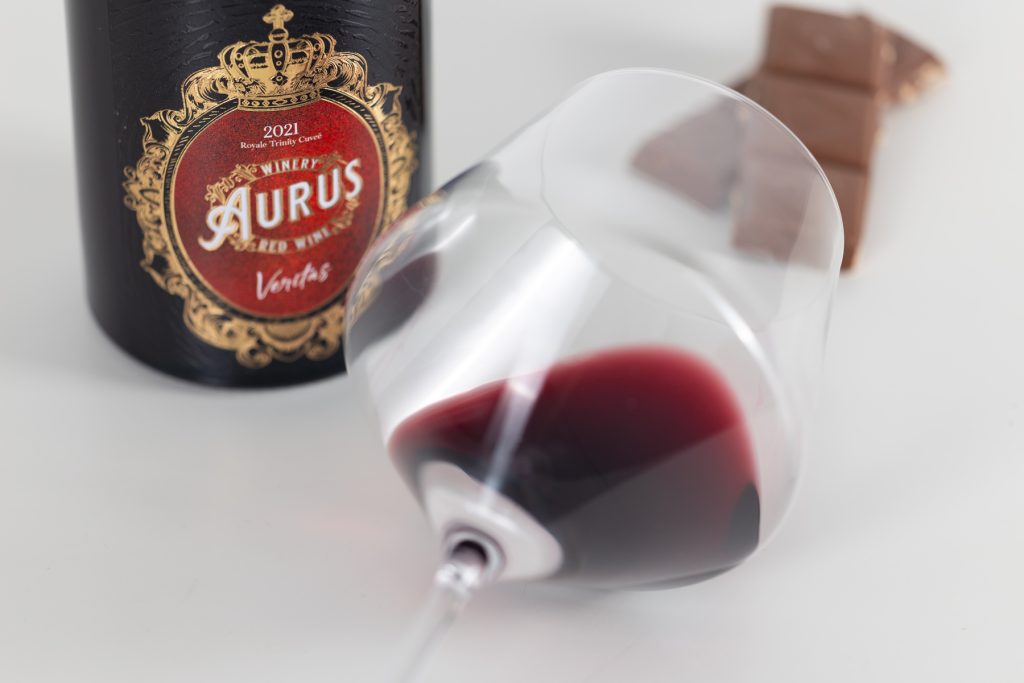

Product Photography – Wine Aurus
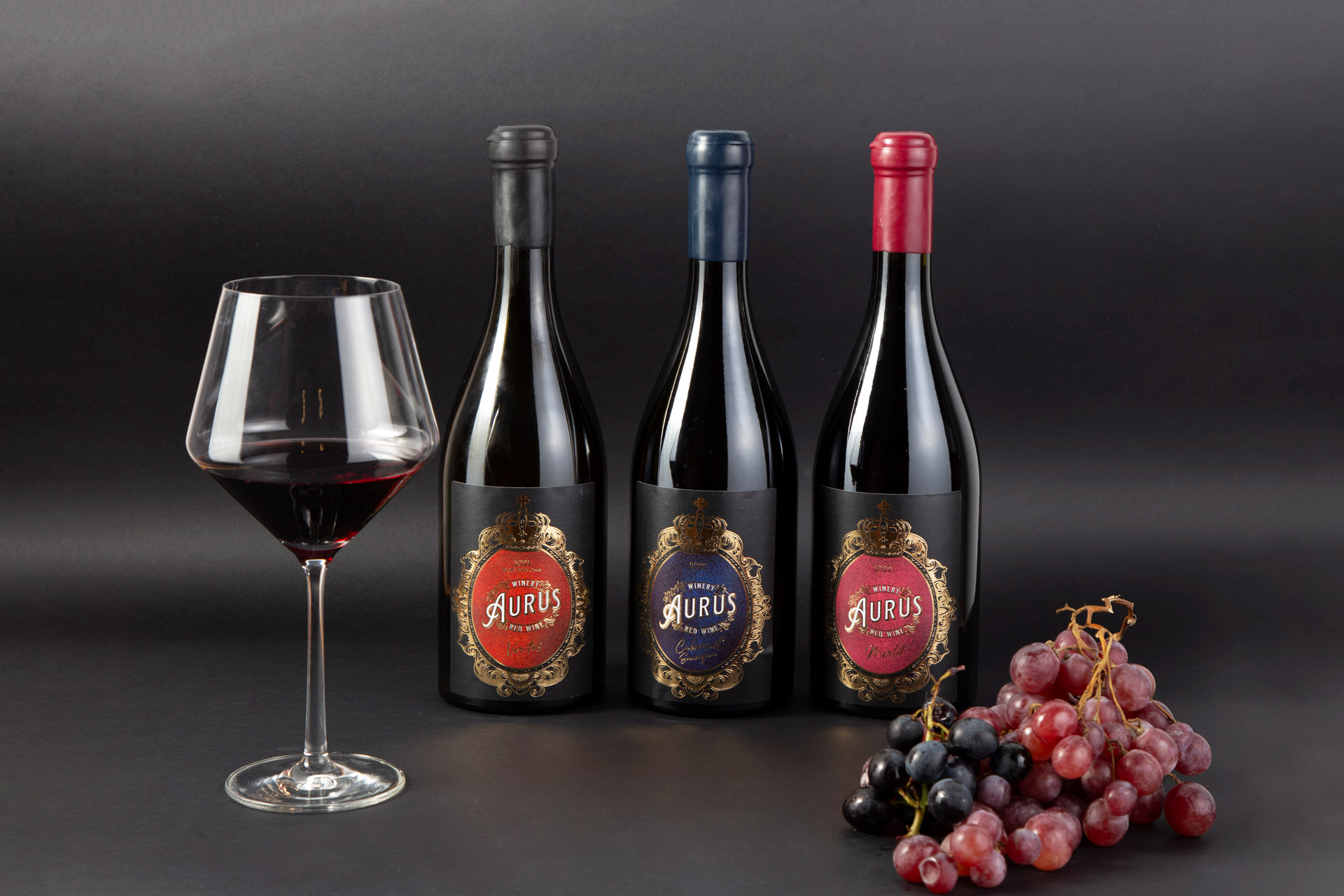
Product Photography – Wine Aurus
I did product photography for a Winery in Serbia – Aurus.
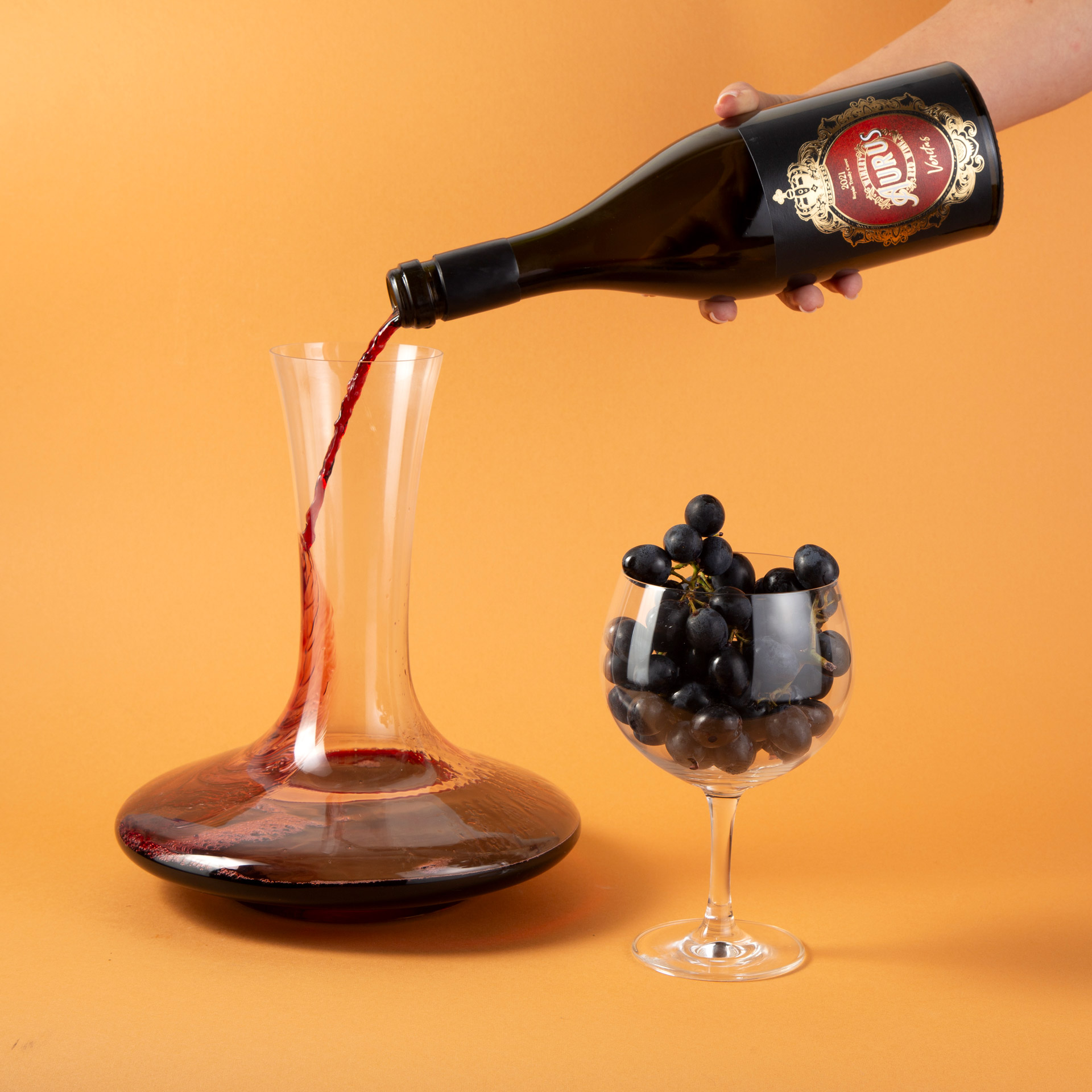
It was I quick shooting, as we had an hour for the shots, so there was not much time to be playful. However, I played a bit with the background colors, but otherwise, the lighting was plain, clean and soft. Although there are many more ways to photograph wine, I’m showing you a few photos from this series and sharing with you ideas and photography tips on how to do wine photography.



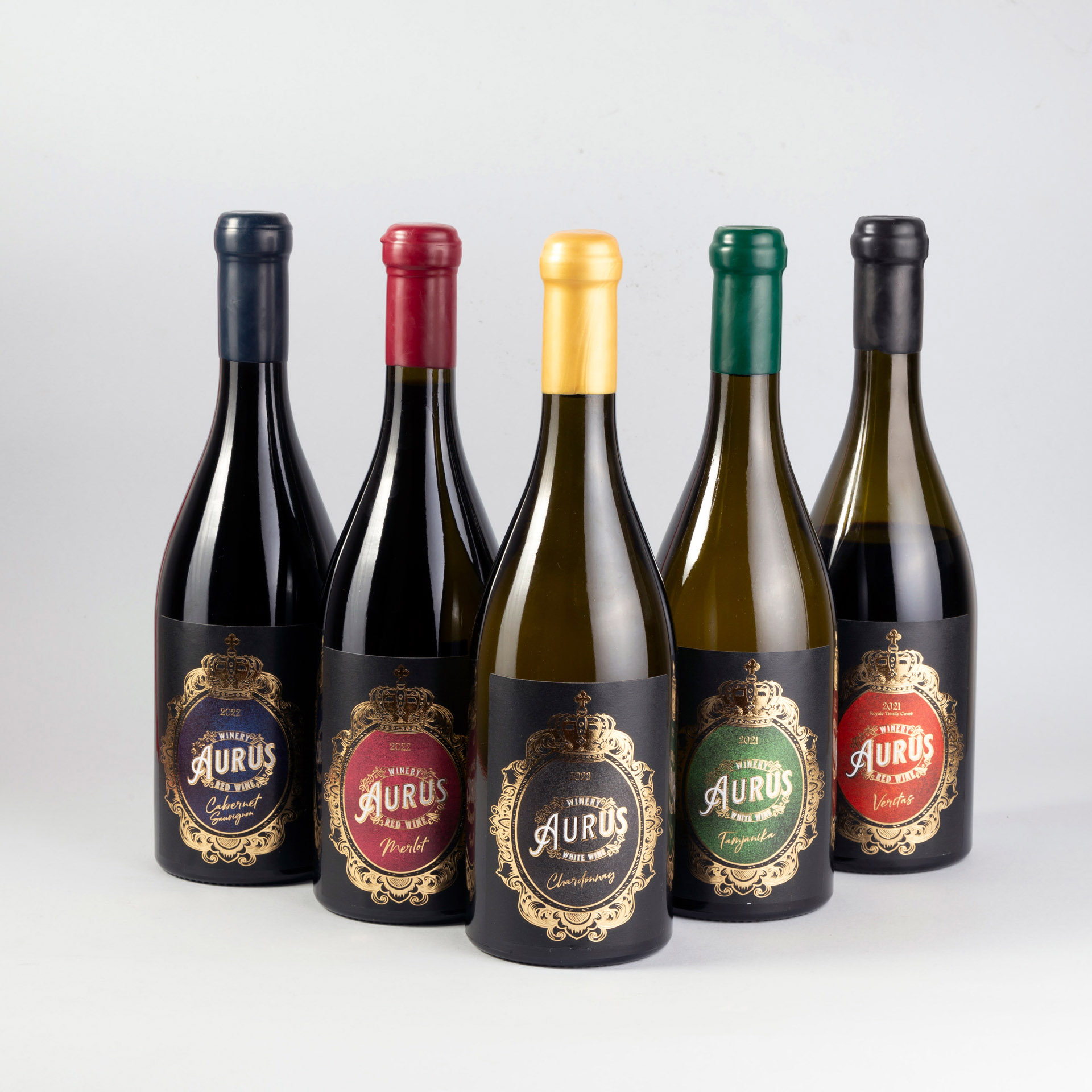

Here are some tricks for wine product photography. It’s important to capture the wine’s elegance, quality, and appeal. Ideas for creating compelling wine photography:
1. Lighting
- Soft Lighting: Use diffused, soft lighting to avoid harsh reflections on the glass and to emphasize the clarity and color of the wine. A backlight or side light works best to highlight the glass and liquid.
- Continuous Reflections: Around wine bottles or in a composition setup, use as a light source and reflective source a continuous surface of white and dark colors that will reflect on the bottle from the bottom to the cap. This creates white and black lines extending along the entire length of the bottle or glass, providing the viewer a better understanding of the shape and material. All reflective surfaces, including jewelry made of precious metals, require an isolated environment, strictly surrounded by uniform surfaces. Through reflection, they better depict the product’s shape and texture. That’s why photographers often wear black suits or cover themselves with black fabric while standing in front of a black background. This way, the reflection in the glass shows minimal details reflected on its surface. In my opinion, this is the most important rule, the key detail that distinguishes professional from amateur product photography involving reflections – photography of jewelry, glass, and metal products.
- Dark Background: Often, darker backgrounds enhance the elegance of wine bottles, especially with red wines, allowing the bottle and label to stand out.
2. Background & Props
- Minimalist Setup: Keep the background clean and simple. White or black backgrounds are popular for a high-end look.
- Contextual Props: Add subtle props such as wine glasses, grapes, corkscrews, or a rustic wooden table to set a scene. Ensure props do not distract from the bottle.
- Textures: Incorporate textured elements like marble or wood to add depth without taking away from the product.
3. Composition
- Rule of Thirds: Position the bottle off-center using the rule of thirds or golden ratio of which I talk on this page for a more engaging composition.
- Focus on the Label: Make sure the label is sharp and clear, as it’s often the focal point of the shot.
- Angle: Shooting slightly from below can make the bottle look grander, while a head-on view with good symmetry emphasizes elegance.
4. Glass and Pouring Shots
- Wine in Glass: Photograph the wine being poured into a glass for dynamic action shots. Capture the splash or pour to evoke the sensory appeal of the wine.
- Condensation Effect: Use mist on the bottle for chilled wines like white or sparkling wine to convey freshness.
5. Post-Processing
- Color Correction: Adjust the white balance to ensure the wine’s color is accurate, whether it’s a deep red, golden white, or blush rosé.
- Remove Reflections: Pay attention to reflections and remove any distracting glares during editing.